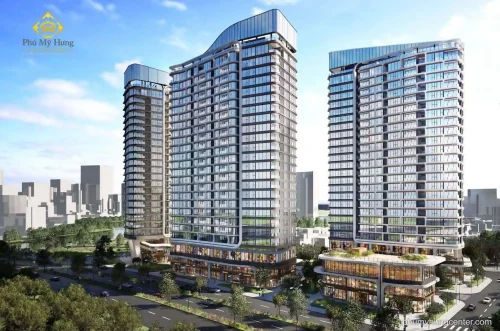
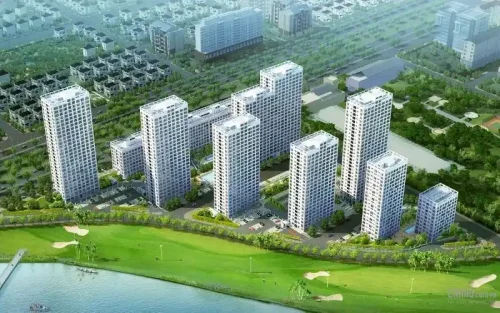
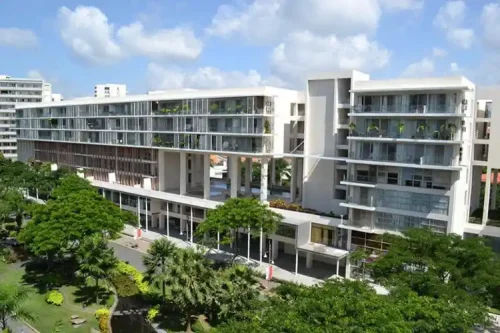
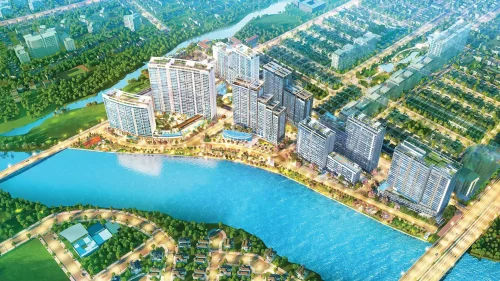
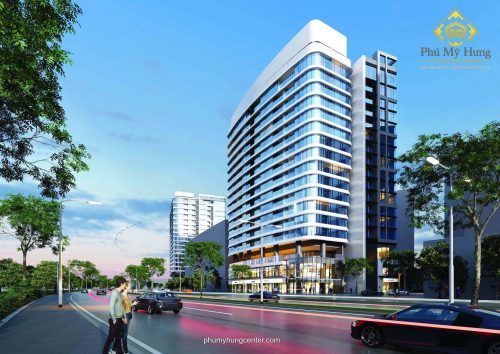
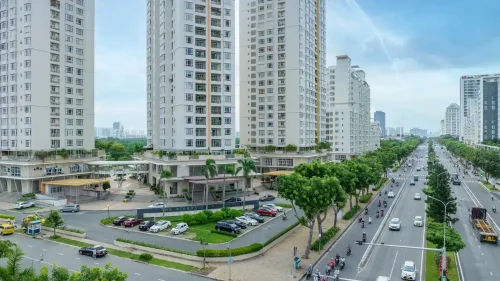
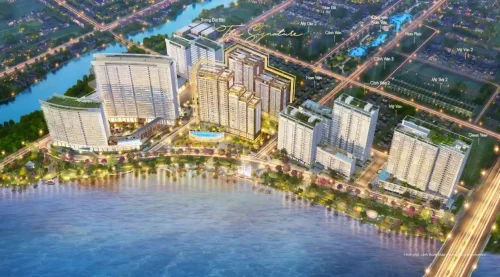
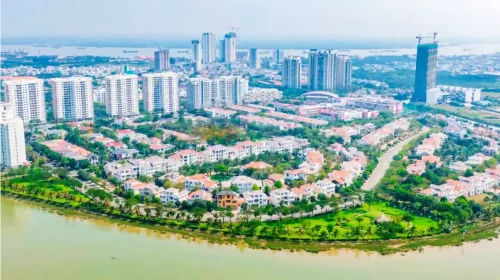
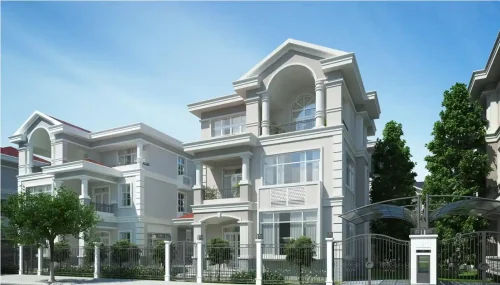
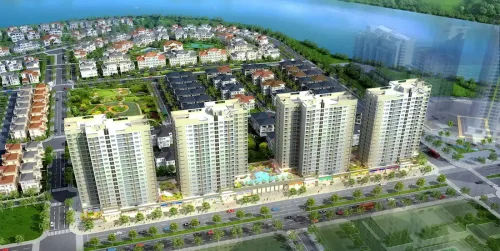
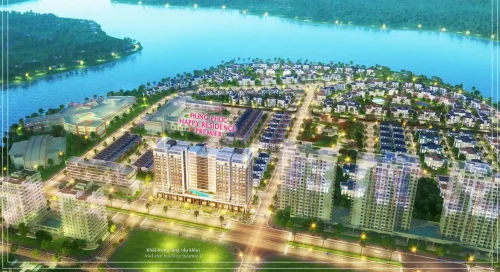
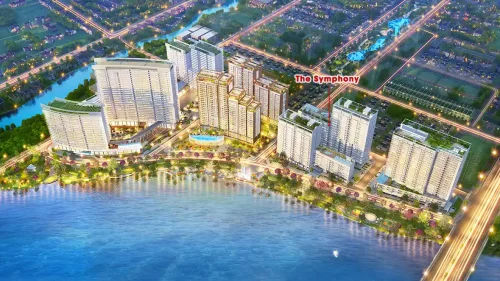
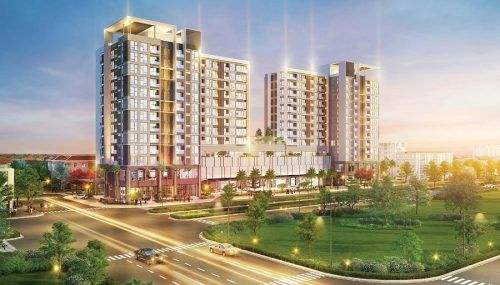
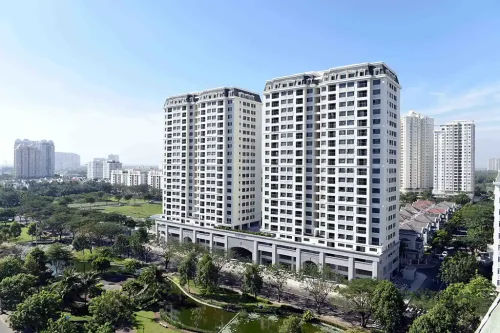
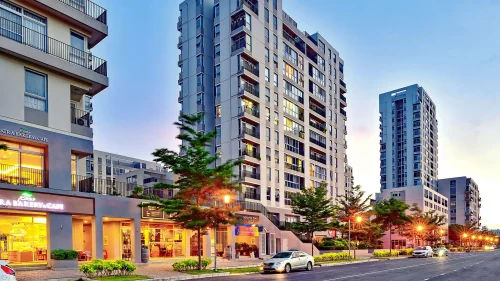
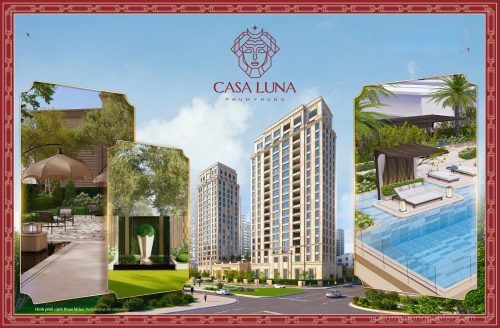
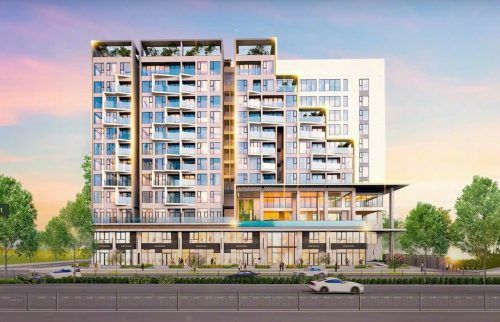
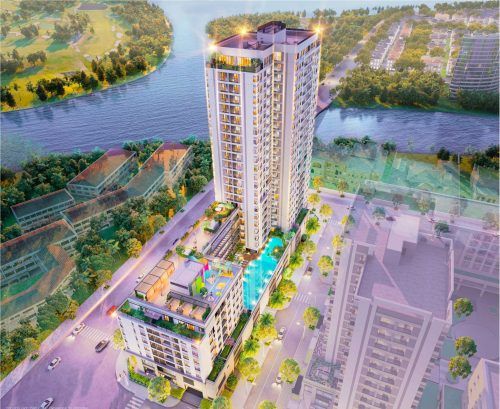
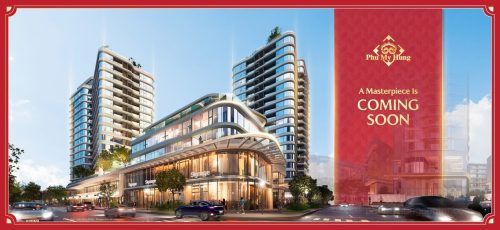
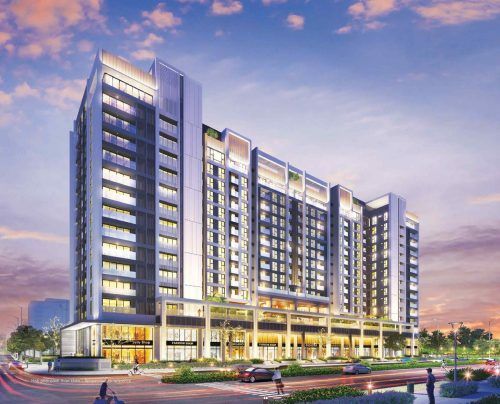
Phú Mỹ Hưng Urban Area is a model mixed-use urban area located in District 7, in the south of Ho Chi Minh City, and was recognised by the Ministry of Construction as Vietnam’s leading model urban area in 2008. From a desolate swampland, Phú Mỹ Hưng has transformed into a symbol of modern urban development, meticulously planned to international standards, covering a total area of 750 ha across 5 urban clusters: A, B, C, D and E. More importantly, it is not simply a place to live but also a fully integrated financial, commercial, educational and entertainment centre in the heart of southern Saigon.
Phú Mỹ Hưng’s amenities include international schools across multiple educational levels, internationally standard hospitals, shopping centres, extensive green spaces and modern transport infrastructure, fully meeting residents’ lifestyle needs. In particular, more than 50% of its population consists of foreign residents from South Korea, Japan, Taiwan and China, creating a rare multicultural and civilised community in Vietnam. In addition, its self-contained living ecosystem, with all amenities from education and healthcare to leisure and entertainment, makes Phú Mỹ Hưng a leading choice for high-income families.
Phú Mỹ Hưng is considered the most desirable place to live in southern Saigon because of the perfect combination of comprehensive infrastructure, a high-quality residential community, outstanding security and a cool, green living environment. Furthermore, it is also a profitable property investment destination, thanks to stable rental demand from the international professional community. Let us explore all the value that Phú Mỹ Hưng Urban Area offers in the detailed article below.
Project Overview
WHAT IS PHÚ MỸ HƯNG URBAN AREA?
Phú Mỹ Hưng Urban Area is a model mixed-use urban area developed and managed by Phu My Hung Development Corporation, located in District 7, in the south of Ho Chi Minh City. It covers a total area of 750 ha comprising 5 urban clusters and has been planned to international standards since 1993.
To gain a clearer understanding of the scale and stature of this urban area, let us examine each of the core aspects that have created the Phú Mỹ Hưng brand.
Where is Phú Mỹ Hưng Urban Area located?
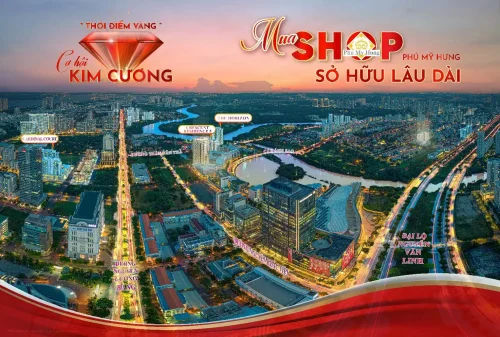
Phú Mỹ Hưng Urban Area is situated along Nguyễn Văn Linh Boulevard, in Tân Hưng and Tân Mỹ Wards, District 7, in the south of Ho Chi Minh City. This is the main artery running through southern Saigon, directly connecting with the central districts via modern bridges such as Phú Mỹ Bridge and Ánh Sao Bridge.
In terms of geographical boundaries, the urban area borders the Saigon River to the east, creating its characteristic airy and cool environment. This strategic location allows Phú Mỹ Hưng residents to reach District 1 in just around 10 to 15 minutes outside peak hours, while also providing convenient connections to District 2, Thủ Đức and surrounding areas. The urban area also boasts an extensive network of natural canals, creating a distinctive waterside landscape rarely found in other urban areas in Ho Chi Minh City.
When was Phú Mỹ Hưng Urban Area established?
Phú Mỹ Hưng Urban Area was established in 1993, originating from a vision to transform the desolate swamplands south of Saigon into a modern urban centre meeting international standards.
The formation of Phú Mỹ Hưng is associated with several important milestones:
- 1993: Phu My Hung Development Corporation was established on 19/5/1993 as a joint venture between Tan Thuan Industrial Promotion Company Limited and a foreign partner. In the same year, the company spent USD 2 million organising a new urban planning design competition involving leading architects and urban planners from around the world.
- 1996: Phú Mỹ Hưng officially began developing its infrastructure according to a planning model inspired by California’s Silicon Valley and Taiwan’s science park system.
- 2008: On 26/6/2008, the Ministry of Construction and the Ho Chi Minh City People’s Committee officially recognised Phú Mỹ Hưng as Vietnam’s “Model Urban Area”, marking the completion of its planning quality and infrastructure.
In just over 2 decades, Phú Mỹ Hưng has transformed from a desolate swamp into an urban area dubbed “the second centre of Saigon”, attracting dozens of multinational corporations and tens of thousands of local and international residents.
Which areas make up the scale of Phú Mỹ Hưng Urban Area?
Phú Mỹ Hưng Urban Area comprises 5 main urban clusters: Area A (Urban Centre), Area B (University Village), Area C (High-Tech Centre), and Areas D and E (Goods Circulation Centre), covering a total area of 750 ha.
The most prominent of the 5 clusters is Area A, an urban centre developed in the style of Hong Kong’s Causeway Bay, comprising 8 functional sub-areas:
- International Commercial and Financial District: Home to multifunctional office towers and the headquarters of Unilever, Toyota, BMW, Porsche and many other multinational corporations.
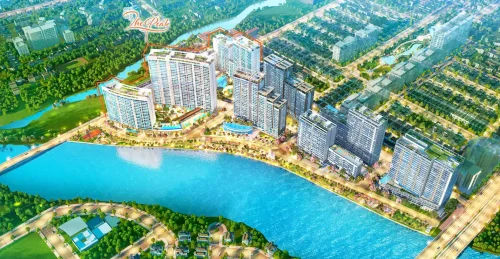
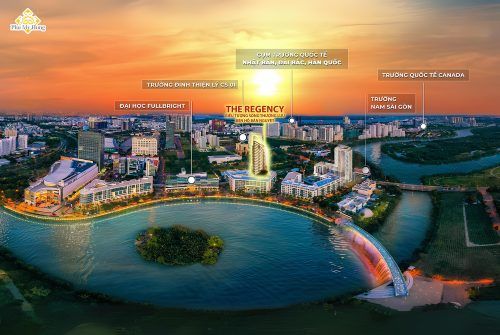
- The Crescent: A commercial and entertainment centre featuring the Crescent Lake and the iconic Crescent Moon Bridge.
- Medical and Nursing District: Home to FV International Hospital, Tam Duc Heart Hospital and the South Saigon Golf Course.
- Nam Vien Residential Area: Luxury villas and apartments, 20,000 m² of greenery, and the Japanese, Korean and Taipei international schools.
- Midtown, Canal District, Hillside District and Cultural and Entertainment District: Diverse residential sub-areas and supporting amenities.
As of 2020, the population living in Phú Mỹ Hưng, District 7, was approximately 40,000, of whom more than 50% were foreign residents from dozens of countries, particularly South Korea, Japan, Taiwan and China.
Project Amenities
WHAT ARE THE MOST NOTABLE AMENITIES IN PHÚ MỸ HƯNG URBAN AREA?
Phú Mỹ Hưng Urban Area has 5 outstanding amenity groups: international education, internationally standard healthcare, commercial and financial facilities, green spaces and sports, together with modern transport infrastructure, creating a complete and self-contained living ecosystem for residents.
Specifically, each amenity group in Phú Mỹ Hưng has been comprehensively developed to meet the lifestyle standards of its discerning multinational residential community. Below is a detailed analysis of each core amenity group.
What is special about the education system in Phú Mỹ Hưng?
Yes, Phú Mỹ Hưng’s education system is highly distinctive, with the densest network of international schools across multiple educational levels in Ho Chi Minh City, including schools from nursery through university, serving the multinational residential community in particular.
Phú Mỹ Hưng is home to a dense concentration of high-quality international educational institutions:
- Saigon South International School (SSIS): One of the leading international schools in Ho Chi Minh City, offering the International Baccalaureate (IB) curriculum.
- RMIT University Vietnam: A campus of Australia’s leading prestigious university, located within the urban area.
- Japanese, Korean and Taipei International Schools: Serving the large East Asian expatriate communities in Nam Vien.
- Canada International School District 7 and Renaissance International School: Meeting North American education standards for Vietnamese and international families.
- A system of state schools from primary to lower secondary level, with modern facilities supporting local residents.
The presence of this multi-level education system is a key reason why families with young children, particularly expatriates, choose Phú Mỹ Hưng as their long-term home in Vietnam.
Which hospitals and healthcare services are available in Phú Mỹ Hưng?
Yes, Phú Mỹ Hưng has 3 major international hospitals operating to international standards 24/7, along with numerous specialist clinics, creating the most comprehensive healthcare ecosystem in southern Saigon.
Phú Mỹ Hưng’s healthcare system is concentrated mainly in the Medical and Nursing District, comprising:
- FV Hospital (Franco-Vietnamese Hospital): A Franco-Vietnamese international hospital with 220 beds, providing comprehensive healthcare services to European standards and operating 24/7.
- Tam Duc Heart Hospital: A cardiology specialist hospital with 180 beds, equipped with modern medical technology.
- Viet My Hospital: Provides general medical examination and treatment services to American standards.
- Tam Anh Phu My Hung Hospital (under construction): A high-tech general and oncology hospital expected to elevate the area’s healthcare ecosystem.
In addition to healthcare services, the area also incorporates shopping, sports and entertainment facilities, creating a rare comprehensive healthcare model in Vietnam.
What shopping centres and retail facilities are available in Phú Mỹ Hưng?
Phú Mỹ Hưng has 4 major shopping and retail centres: Crescent Mall, SC VivoCity, the CoopMart and Citimart supermarket chains, and the International Commercial and Financial District, which is the second-largest economic hub in Ho Chi Minh City after District 1.
Specifically, Phú Mỹ Hưng’s commercial ecosystem is organised across two tiers:
Retail and consumer tier:
- Crescent Mall: A premium shopping centre at 101 Ton Dat Tien, incorporating a cinema, international restaurants, fashion outlets and a supermarket.
- SC VivoCity: A large-scale integrated shopping and entertainment centre.
- The CoopMart and Citimart supermarket chains are spread along Nguyen Duc Canh Street, serving everyday needs.
Financial and business tier:
- The International Commercial and Financial District is home to the headquarters of multinational corporations including Unilever, Toyota, BMW, Porsche and Manulife; Grade A office buildings such as Cobi Tower, UOA Tower and Saigon Paragon; most major banks in Vietnam; and a securities trading centre.
- Saigon Exhibition and Convention Centre: Developed with an investment of more than USD 200 million, it has 4 exhibition halls covering a total area of 40,000 m² and an international conference capacity of 2,000 people. It is regarded as the largest and most modern trade fair centre in southern Vietnam.
What are the green spaces and sports facilities like in Phú Mỹ Hưng Urban Area?
Phú Mỹ Hưng’s green spaces and sports facilities have been planned to international standards, with an outstanding density of greenery, including Crescent Lake, Starlight Bridge, Sakura Park, the 20,000 m² Nam Vien area and numerous premium sports amenities.
Phú Mỹ Hưng is known as a “model green urban area” thanks to its natural landscaping, which is integrated throughout the entire area:
- Crescent Lake and Starlight Bridge: Architectural and landscape icons of District 7, they are popular check-in destinations and relaxing spaces for residents in the evening.
- Sakura Park: A Japanese-style green space, well suited to the large Japanese expat community.
- Nam Vien area: With up to 20,000 m² of green space, it is designed as a “green oasis” surrounded by a network of waterways.
- Saigon Wonderland Park and a system of outdoor playgrounds for children.
In terms of sports facilities, the urban area provides:
- A 9-hole golf course in southern Saigon, tennis courts, swimming pools and modern gyms to international standards.
- The integrated Hello Park leisure complex at 582/12 Huynh Tan Phat, with a 340m race track and a water-play area.
- Sports areas and playgrounds designated for different age groups, providing an active and healthy lifestyle for the whole family.
Compared with other urban areas such as Thu Thiem and Vinhomes Central Park, Phú Mỹ Hưng stands out for its more harmonious and mature combination of greenery, waterways and living spaces, creating a true “green oasis” in the heart of the city.
Is transport connectivity in Phú Mỹ Hưng convenient?
Yes, transport connectivity in Phú Mỹ Hưng is highly convenient, thanks to the key Nguyen Van Linh Boulevard, modern bridges and numerous extensive bus routes, making it easy for residents to travel to central areas of Ho Chi Minh City.
Specifically, Phú Mỹ Hưng’s transport infrastructure is organised across several modes:
- Roads: Nguyen Van Linh Boulevard connects directly with Le Thanh Ton and Tran Hung Dao Streets. Phu My Bridge and Starlight Bridge provide quick connections to District 1, District 2 and Thu Duc.
- Public buses: Route 75 (Phú Mỹ Hưng – Ben Thanh) and Route 19 (Phú Mỹ Hưng – Mien Dong Bus Station) are two popular routes, providing cost-effective travel to the central districts.
- Travel time: It takes only around 10 to 15 minutes to travel from Phú Mỹ Hưng to District 1 outside peak hours, making it convenient for residents who work in the city centre.
- Internal transport: The internal road network is spaciously designed, with low construction density and less congestion than the central districts, creating a quiet and airy atmosphere for the residential area.
WHY IS PHÚ MỸ HƯNG URBAN AREA CONSIDERED THE MOST LIVEABLE PLACE IN SOUTHERN SAIGON?
Yes, Phú Mỹ Hưng Urban Area deserves to be considered the most liveable place in southern Saigon for 3 core reasons: internationally standardised and integrated infrastructure, a civilised, high-quality resident community, and a safe, green living environment, combined with sustainable and profitable property investment potential.
Moreover, these values are not coincidental but the result of more than 30 years of development and operation to international urban standards. Below is a detailed analysis of each reason.
Is Phú Mỹ Hưng suitable for families with young children?
Yes, Phú Mỹ Hưng is highly suitable for families with young children for 3 reasons: its diverse range of international schools across multiple levels, its clean living environment with low construction density, and 24/7 security throughout the urban area.
For families with children, Phú Mỹ Hưng provides all the conditions needed for well-rounded development:
Education: International schools such as SSIS and RMIT, as well as Japanese, Korean and Taipei schools, are located within the urban area, meaning parents do not need to take their children long distances. Its multilingual and multicultural educational environment is a competitive advantage that very few urban areas in Vietnam can offer.
Living spaces: The system of parks, children’s playgrounds and outdoor sports areas has been carefully developed. The high density of greenery, clean air and significantly lower traffic levels than in the inner-city districts create ideal conditions for children to play and develop physically.
Security: A 24/7 security system, with surveillance cameras and professional security guards spread throughout the area, creates an absolute sense of safety for residents, particularly parents when allowing their children to travel around the area.
What are the characteristics of the resident community in Phú Mỹ Hưng?
The resident community in Phú Mỹ Hưng is one of the most civilised multinational communities in Ho Chi Minh City, with more than 50% being foreigners from South Korea, Japan, Taiwan, China and many other countries, alongside affluent Vietnamese residents with outstanding educational attainment.
More specifically, the characteristics of the Phú Mỹ Hưng community stand out in the following ways:
According to figures from Phu My Hung Development Corporation, the urban area’s population exceeded 30,000 in 2018, of whom more than 50% were foreigners from dozens of countries, with the largest groups being from South Korea, Japan, Taiwan and China. This has made Phú Mỹ Hưng one of the largest and most established expat communities in Vietnam.
This cultural diversity has created a distinctive service ecosystem, including a wide range of Korean, Japanese and Taiwanese restaurants; multilingual schools; imported-goods supermarkets; and international community spaces. Cultural events, festivals and outdoor activities are held regularly, attracting both residents and visitors and creating a vibrant, civilised way of life that is characteristic of the area.
Furthermore, many major multinational corporations, such as Manulife, Unilever, Petro Vietnam and Vinamilk, as well as most major banks in Vietnam, have established their headquarters here, attracting highly qualified personnel and international experts to live in the area.
Is Phú Mỹ Hưng an ideal place for property investment?
Yes, Phú Mỹ Hưng is an ideal place for property investment, thanks to stable rental income from its large expat community, a diverse range of property types from apartments to villas, and sustainable asset appreciation over time.
The table below summarises the property types and current indicative prices in Phú Mỹ Hưng, helping investors understand the property segments before making a decision:
| Property type | Representative projects | Indicative price | Key features |
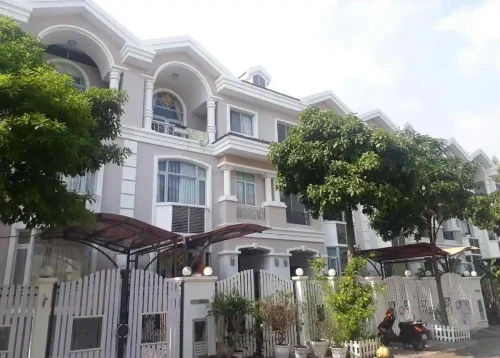
| Detached villa | Nam Thông, Nam Thiên | VND 33 billion to VND 63 billion | Swimming pool, garden, full ownership certificates |
| Shophouse | Hưng Gia, Hưng Phước | VND 16 billion to VND 18 billion | Frontage on a major road, convenient for business |
| Luxury apartment | Riverpark, Sky Garden, Star Hill | Depending on the project | Close to international schools, offering high rental returns |
In terms of rental investment potential, apartments and villas in Phú Mỹ Hưng are particularly well suited to long-term rentals targeting the Korean, Japanese and Taiwanese expat communities. Rental demand from these groups is stable and sustainable because it is closely linked to the international schools and multinational corporate offices located in the area. In particular, apartments near international school clusters generally have the highest occupancy rates and provide the most stable rental income across the entire area.
IS PHÚ MỸ HƯNG URBAN AREA REALLY SUPERIOR TO THỦ THIÊM AND VINHOMES?
Phú Mỹ Hưng leads in terms of its expat ecosystem and established international education infrastructure, Thủ Thiêm leads in long-term appreciation potential, while Vinhomes optimises a self-contained amenity model for Vietnamese residents.
How do Phú Mỹ Hưng and Thủ Thiêm differ in terms of planning and amenities?
Phú Mỹ Hưng has completed infrastructure and has operated stably for more than 30 years with a large international community, while Thủ Thiêm is undergoing rapid development and offers attractive property appreciation potential. In terms of greenery, Phú Mỹ Hưng has a clear advantage with its natural canal system and established parks, whereas Thủ Thiêm’s green infrastructure is still being developed. International education and healthcare amenities are also considerably more extensive in Phú Mỹ Hưng, making it more suitable for expat families seeking to settle immediately.
Is Phú Mỹ Hưng or Vinhomes Central Park more suitable for settling families?
Phú Mỹ Hưng is more suitable for expat and foreign families thanks to its established international ecosystem, while Vinhomes Central Park is better suited to Vietnamese families who prefer modern on-site amenities and a location close to the city centre. In terms of green space, both stand out, although Phú Mỹ Hưng has the advantages of natural waterways and a lower building density. Phú Mỹ Hưng also has a more diverse and long-established international school and healthcare system, creating a clear competitive advantage.
What is the future development potential of Phú Mỹ Hưng Urban Area?
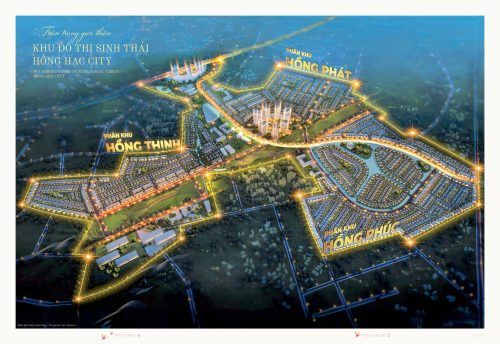
Phú Mỹ Hưng’s future development potential is very strong, driven by 3 main factors: the Hồng Hạc City Bắc Ninh project, which is extending the brand northwards; the high-tech Tâm Anh general and oncology hospital, which is under construction; and its strategic role in plans to expand Ho Chi Minh City southwards along the Ho Chi Minh City–Đồng Nai–Bà Rịa Vũng Tàu economic triangle. The 197.76-hectare Hồng Hạc City Phú Mỹ Hưng ecological urban area in Bắc Ninh demonstrates the scale of the brand’s expansion into the nationwide market.
Is Phú Mỹ Hưng a high-return rental investment option?
Yes, Phú Mỹ Hưng is a stable and profitable rental investment option, thanks to sustainable housing demand from Korean, Japanese and Taiwanese expat communities linked to the international schools and multinational corporate offices in the area. The most profitable segment is apartments near international schools, which have high occupancy rates year-round. Compared with central districts such as District 1 and District 2, rental yields in Phú Mỹ Hưng are more stable, supported by demand from high-income foreign residents who typically sign long-term leases of 1 to 2 years, reducing the risk of vacancies for investors.